
How to play padel: a beginner's guide
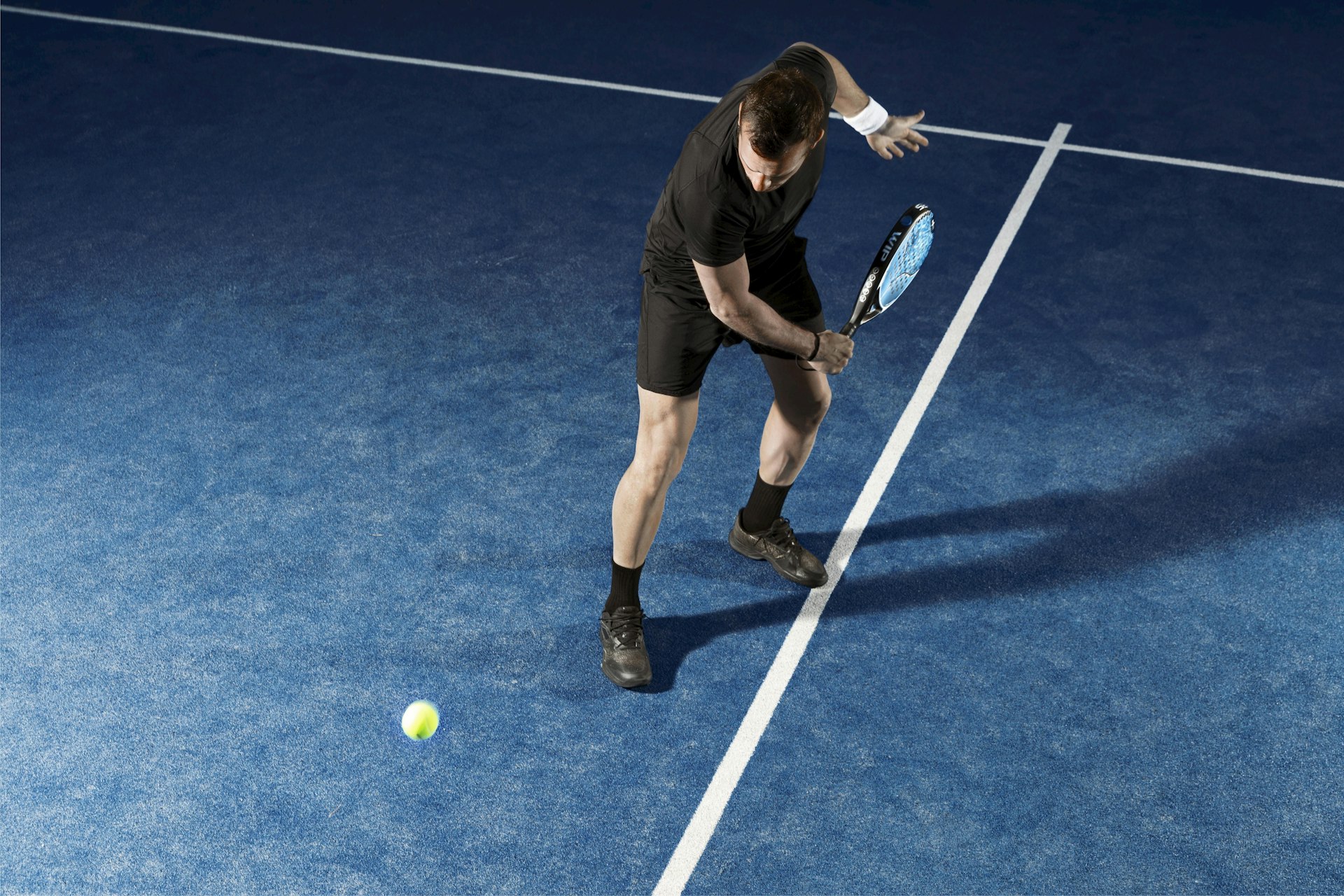
Padel is the world's fastest-growing racket sport — and it's one of the easiest to pick up. If you can hold a racket and have fun with friends, you can play padel on day one. Here's everything a beginner needs to know before stepping onto the court.
What is padel?
Padel is a racket sport that blends tennis and squash. It's almost always played in doubles (two against two) on an enclosed court about a third the size of a tennis court. The walls are part of the game — the ball can bounce off them, which keeps rallies alive and makes every point more playful.
The court
A padel court is 20m × 10m, surrounded by glass and mesh walls, and split by a net. Because the court is small and the walls keep the ball in play, beginners spend more time rallying and less time chasing missed shots — which is exactly why it's so addictive.
The basic rules
- Serving: the serve is underarm. You bounce the ball once and hit it below waist height, diagonally into your opponent's service box.
- Scoring: padel uses the same scoring as tennis — 15, 30, 40, game — and sets are first to six games.
- The walls: after the ball bounces on the floor, it can rebound off the walls and still be played. You can't volley the ball directly off your own wall, though.
- Doubles: almost all padel is played 2v2, which makes it as social as it is competitive.
Three shots to learn first
- The flat drive: your everyday rally shot — control over power.
- The lob: a high ball over your opponents that buys you time and position.
- The bandeja: the signature padel smash-on-the-move that keeps you in control at the net.
Ready to play in Krabi?
The best way to learn is simply to start. Sabai Padel is opening soon in Ao Nang with four panoramic outdoor courts, rackets for rent, coaching for all levels and open matches to meet other players. Whether it's your first game or your hundredth, there's a spot for you on the court.